Athmallik, Angul, Odisha
Watershed Development
Improving soil and water conservation across 800+ hectares to raise water tables, strengthen smallholder farm productivity, and create livelihood pathways for landless communities.

Attribute
Details
📍 Location
Athmallik, Angul, Odisha
🏛 Funder
NABARD
👥 Beneficiaries
300+ households
📅 Duration
Apr 2024 to Mar 2027
🌱 Focus Area
Climate-Resilient Agriculture
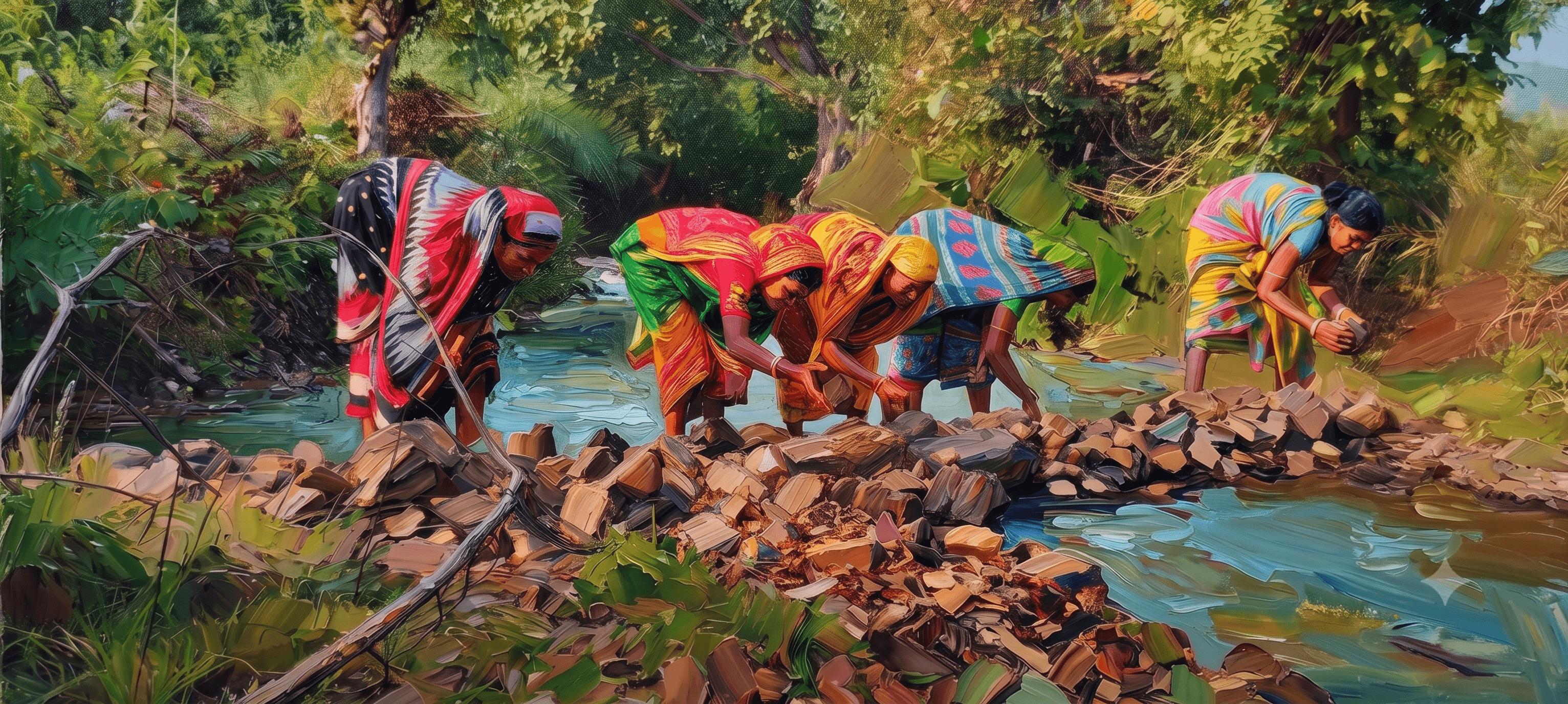
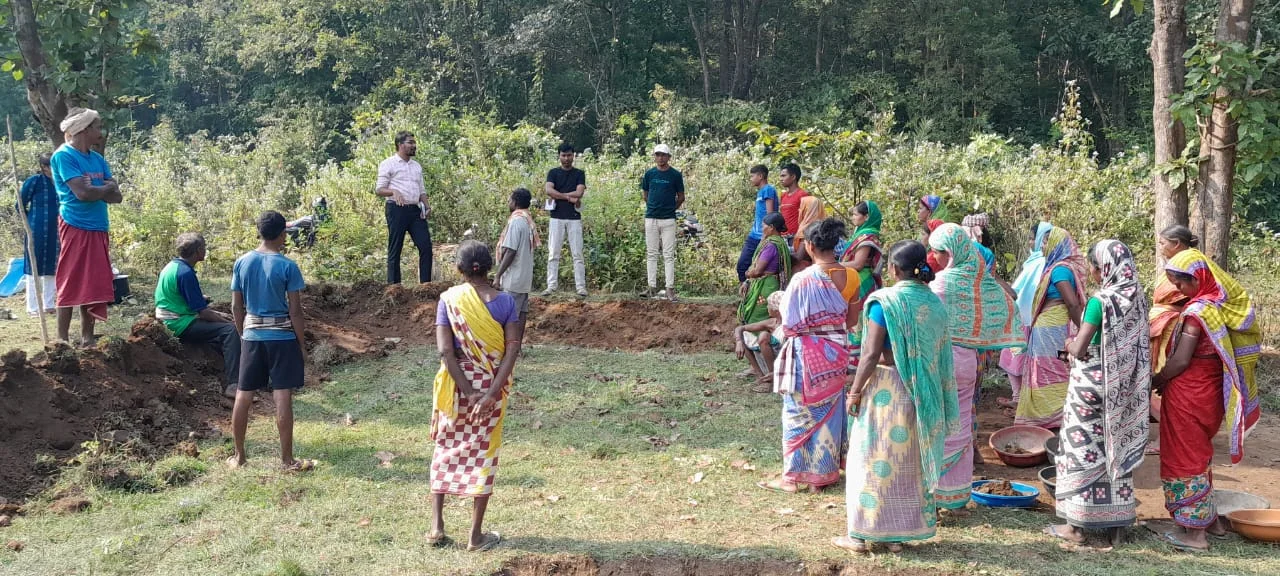
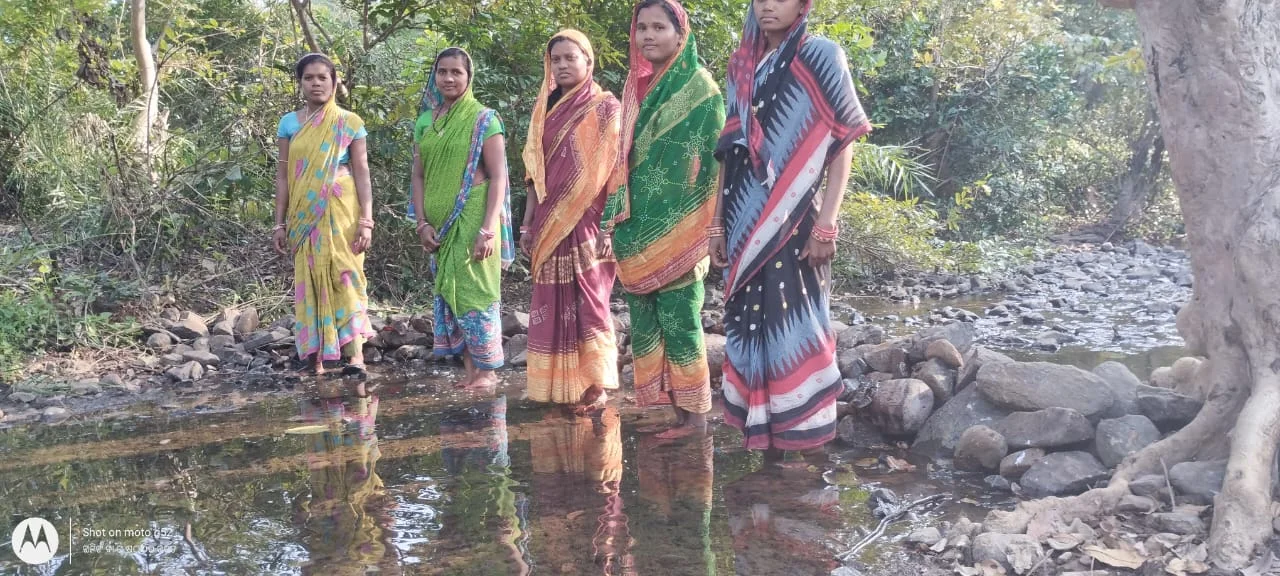
B2V is implementing a structured watershed development programme across Athmallik block in Angul district, funded by NABARD. The core of the work is physical water conservation infrastructure: check dams, staggered contour trenches (SCT), water absorption trenches (WAT), and loose boulder structures (LBS), designed to slow runoff, recharge groundwater, and improve moisture retention across more than 800 hectares of agricultural and common land. Infrastructure construction is paired with water budgeting exercises at the community level, helping villages understand and manage their available water resources more efficiently under increasingly erratic monsoon conditions.
Alongside the conservation work, B2V is building in a livelihood component specifically for landless households who may not directly benefit from improved farm productivity.
This programme is currently in its early implementation phase, running through March 2027. At target completion, the model aims to benefit 300+ households and meaningfully improve water availability across 800+ hectares, a scale that would represent one of B2V's larger direct land impact footprints. The explicit inclusion of landless communities as a programme beneficiary group reflects B2V's positioning that climate resilience work must reach those with the least land-based adaptive capacity, not only farming households.
The NABARD partnership also signals institutional confidence in B2V's watershed methodology, and positions this programme as a potential framework for replication in other rain-fed, drought-prone blocks across Odisha and beyond.

Explore More Case Studies

Value Addition and Market Linkage Training
Building post-harvest value addition capacity among tribal farmers across five districts of Odisha through crop-specific training programmes covering nine agricultural and forest produce categories.

Organic Vegetable Cultivation and Market Linkage
Training smallholder farmers in organic vegetable production, establishing a primary processing centre, and creating direct market linkages to improve farmer incomes in Bihar.

Dhokra Handicraft Training and Market Linkage
Rebuilding a centuries-old tribal metal casting tradition in Dhenkanal by strengthening skills, shared infrastructure, design innovation, and direct market access for artisans who had nearly stopped practicing altogether.


