
Bancha, Bajjarwada, Betul and Deogarh, Chhindwara, Madhya Pradesh
Organic Farming Based Rural Tourism
Developing tribal forest villages as rural tourism destinations by converting traditional homes, knowledge, and culture into sustainable livelihoods, in partnership with the Madhya Pradesh Tourism Board.

Attribute
Details
📍 Location
Bancha, Bajjarwada, Betul and Deogarh, Chhindwara, Madhya Pradesh
🏛 Funder
Madhya Pradesh Tourism Board (MPTB)
👥 Beneficiaries
400+
📅 Duration
Oct 2022 to Sep 2025
🌱 Focus Area
Sustainable Livelihoods
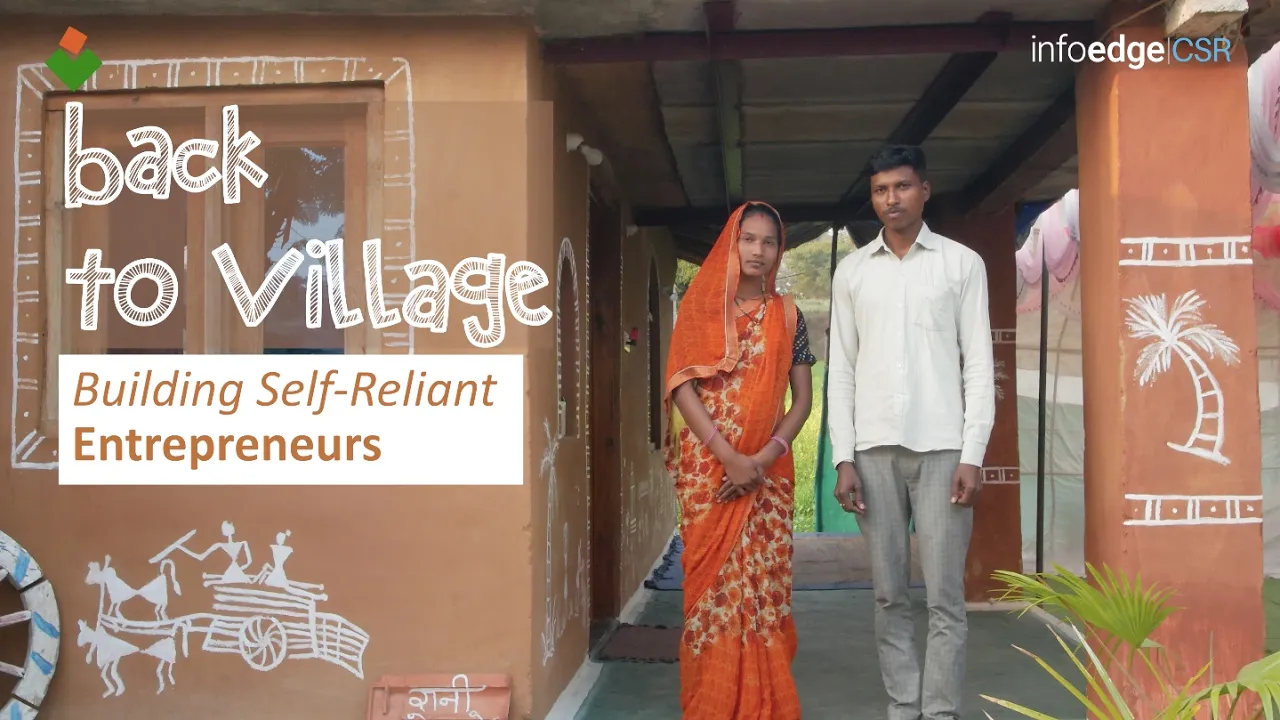
The tribal communities in Betul and Chhindwara's forest villages had lived for decades in a cycle of rain-fed agriculture, seasonal wage labour, and migration. Income arrived for a few months each year and then disappeared, forcing most men to leave for nearby urban centres while women managed households and debt. What these villages possessed in abundance, rich Gond culture, traditional mud-brick architecture, native food knowledge, forest environments, and deep community life, had no economic channel. Tourists did not come because there was no infrastructure. Infrastructure did not exist because there was no income.
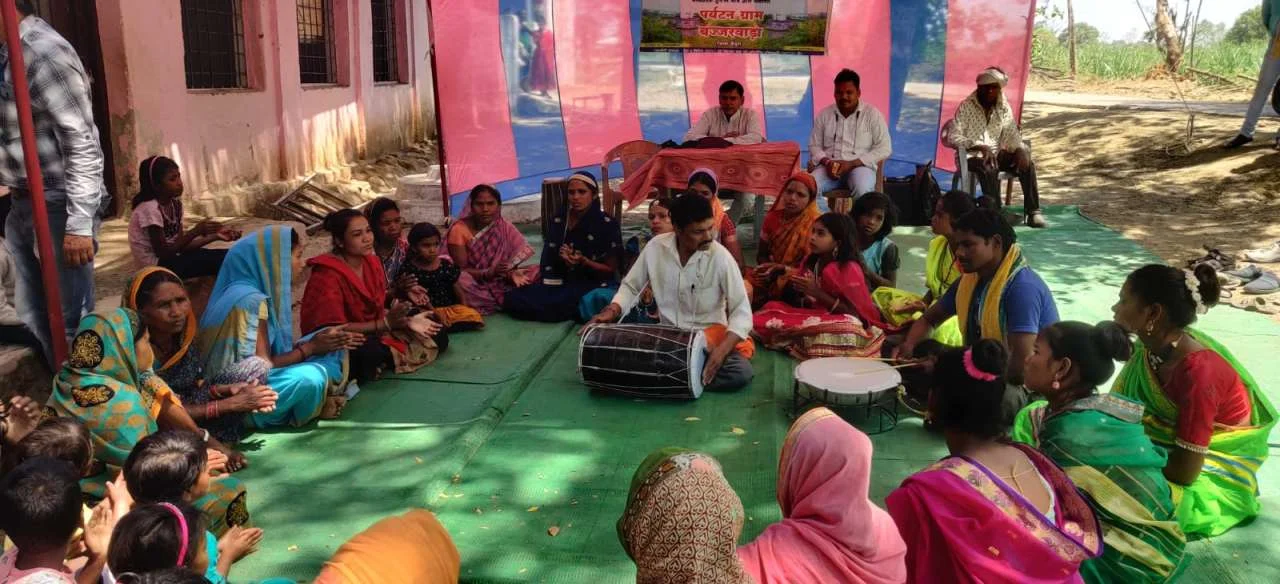
B2V and MPTB approached this not as a construction problem but as a systems problem. The intervention wove together physical infrastructure, skills development, and community organisation simultaneously. MPTB provided homestay subsidies to reduce the capital barrier for families converting traditional homes into visitor accommodation, while B2V delivered training in hotel management, hospitality, food safety, and guest interaction through the Institute of Hotel Management in Bhopal. Village Tourism Committees were constituted and trained to manage tourism collectively. Village Level Entrepreneurs were developed to handle bookings, promotion, and visitor coordination. GIS mapping documented tourist attractions across the villages, and an e-promotion system was built to reach potential visitors. Solar-powered cooking facilities were introduced to ground the tourism offer in sustainable practice from the outset.
The programme has enabled 22 homestays to reach various stages of operation across the project villages, with civil works covering foundations, roofing, sanitation, landscaping, and eco-construction completed in participating households. Income from tourism activity has been documented with 57.88% generated through overnight stays and 42.12% through day events, a split that reflects genuine diversification of the tourism offer beyond simple accommodation.
For families like the Uikeys of Bacha village, the change is structural rather than seasonal. Nisha Uikey, whose traditional mud-brick home is now operating as Tapti Vihar Homestay, manages bookings, hospitality, finances, and customer relationships independently, skills she built through the IHM Bhopal training. Her family now earns year-round through homestay accommodation, Gond food preparation, tribal cultural performances, handicraft sales, and village tourism programmes, without relying on seasonal migration. Women's participation in household financial decision-making has increased across participating families, and the preservation of traditional architecture, cuisine, and cultural practices has become economically motivated rather than a burden to maintain.


Explore More Case Studies

Value Addition and Market Linkage Training
Building post-harvest value addition capacity among tribal farmers across five districts of Odisha through crop-specific training programmes covering nine agricultural and forest produce categories.

Organic Vegetable Cultivation and Market Linkage
Training smallholder farmers in organic vegetable production, establishing a primary processing centre, and creating direct market linkages to improve farmer incomes in Bihar.

Dhokra Handicraft Training and Market Linkage
Rebuilding a centuries-old tribal metal casting tradition in Dhenkanal by strengthening skills, shared infrastructure, design innovation, and direct market access for artisans who had nearly stopped practicing altogether.


